Your home should be your sanctuary—a place where you feel safe, comfortable, and independent. For people living with disabilities, thoughtful home modifications can transform daily living, removing barriers and creating an environment that supports autonomy and confidence. Understanding which modifications will make the greatest impact on your independence is the first step toward creating a truly accessible home.
Assessing Your Home’s Accessibility
Before making modifications, conduct a thorough assessment of your home’s current accessibility. Walk through each room and identify barriers that limit your independence. Consider doorway widths, flooring transitions, lighting, storage accessibility, and bathroom facilities. An occupational therapist can provide professional assessment and recommendations tailored to your specific needs and abilities. Livable Housing Australia provides excellent resources on home design guidelines that support accessibility and adaptability throughout life.
Entrance and Exit Accessibility
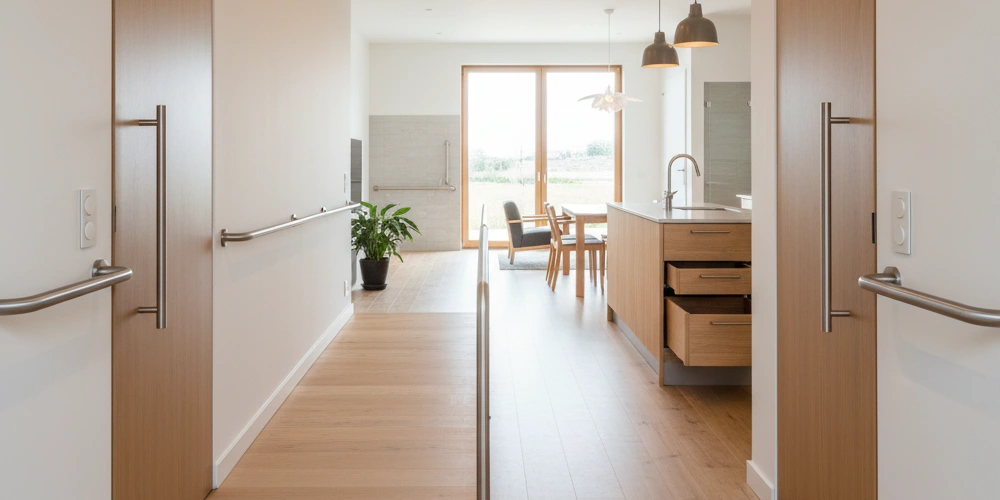
The ability to enter and exit your home independently is fundamental. Ramps provide wheelchair and mobility aid access where steps create barriers. The standard ratio is one inch of rise for every 12 inches of length, with handrails on both sides for safety. Alternatively, vertical platform lifts offer solutions where space for ramps is limited. Ensure pathways are well-lit and free from tripping hazards. Lever-style door handles are easier to operate than traditional knobs, especially for those with limited hand strength or dexterity.
Bathroom Modifications
Bathrooms present some of the most significant accessibility challenges but also offer the greatest opportunities for independence-enhancing modifications. Walk-in or roll-in showers eliminate the barrier of stepping over a bathtub edge. Install grab bars near toilets and in showers—these should be properly anchored to wall studs, not just drywall. Raised toilet seats reduce the distance needed to lower and raise yourself. Adjustable-height showerheads allow easy use from various positions. Non-slip flooring throughout the bathroom prevents falls, while adequate lighting ensures safety during all activities.
Kitchen Accessibility
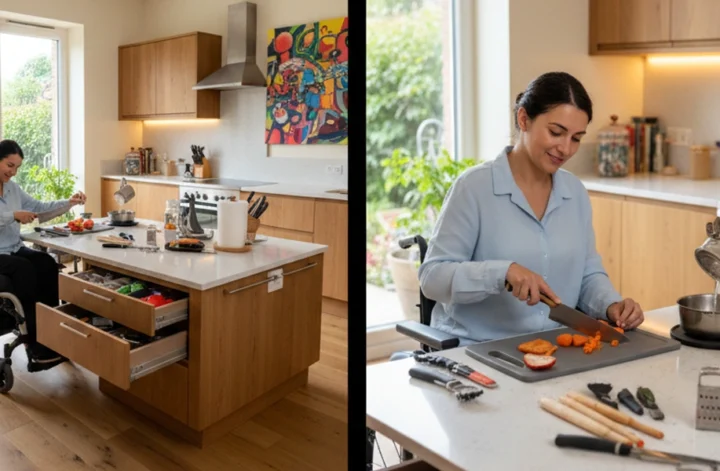
An accessible kitchen promotes independent meal preparation and daily living. Lower sections of countertop provide workspace for wheelchair users, while pull-out shelves and drawers bring stored items within easy reach. Side-opening ovens are safer and more accessible than traditional ovens. Touch or lever-style faucets require less dexterity than traditional handles. Consider adjustable-height work surfaces that can accommodate different positions and family members with varying needs.
Bedroom and Living Spaces
Your bedroom should support restful sleep and independent personal care. Adjustable beds allow positioning for comfort and make transfers easier. Ensure adequate space around the bed for mobility aids. Good lighting with accessible switches near the bed prevents falls during nighttime movement. In living areas, arrange furniture to create clear pathways, and consider lift chairs that assist with sitting and standing.
Flooring and Floor Transitions
Flooring choices significantly impact mobility and safety. Hard, smooth surfaces like hardwood or vinyl allow easier wheelchair and walker movement than thick carpeting. However, low-pile carpet can provide cushioning for those at risk of falls. Eliminate or minimize floor transitions between rooms—even small lips can catch wheels or create tripping hazards. Where transitions are unavoidable, use beveled transition strips to create smooth passages.
Lighting and Electrical Modifications
Proper lighting is crucial for safety and independence. Install rocker-style light switches at accessible heights, typically 42 inches from the floor. Motion-sensor lights in hallways and bathrooms provide illumination without requiring switch operation. Ensure electrical outlets are positioned to minimize bending or reaching. Smart home technology allows voice or app control of lighting throughout your home.
Storage Solutions
Accessible storage means keeping frequently used items within reach. Install closet rods at reachable heights, and use pull-down closet rods to access higher storage when needed. Pull-out drawers are more accessible than traditional cabinets. Open shelving in some areas eliminates the need to open doors. Label storage clearly to make finding items easier.
Technology Integration
Smart home technology enhances accessibility through voice control, automated systems, and remote management. Smart locks allow keyless entry. Video doorbells let you see and speak with visitors without approaching the door. Automated window coverings, thermostats, and appliances reduce the physical demands of home management.
Funding Home Modifications
Home modifications represent an investment in independence, but funding options exist. The NDIS may cover modifications that are reasonable and necessary for your disability-related needs. Some state and territory programs offer home modification assistance. Veterans may access funding through the Department of Veterans’ Affairs. Occupational therapists can help navigate funding applications and justify modifications as essential for independent living. The NDIS website provides detailed information about what home modifications are covered and the application process.
Professional Installation vs DIY
While some simple modifications can be DIY projects, professional installation ensures safety and compliance with building codes. Grab bars, for instance, must be properly anchored to support your weight. Ramps must meet specific slope and width requirements. Consult with occupational therapists, builders experienced in accessibility modifications, and, when necessary, obtain required building permits.
Creating Your Independence
Home modifications are powerful investments in your independence and quality of life. Start with modifications that will have the greatest immediate impact on your daily living, then work toward comprehensive accessibility. Your home should enable, not limit, your abilities. With thoughtful modifications, your home becomes a foundation for independent, confident living—a place where your abilities, not your disabilities, define what’s possible.