Cooking is more than just preparing food—it’s an essential life skill that provides independence, creativity, and the satisfaction of creating something nourishing. For people living with disabilities, the kitchen can present unique challenges, but with the right adaptations and techniques, anyone can develop their culinary skills and enjoy the independence of preparing their own meals.
Understanding Your Needs
The first step in adaptive cooking is understanding your specific needs and challenges. Whether you have limited mobility, visual impairment, reduced hand strength, or balance difficulties, there are solutions designed to help. Take time to assess which tasks are most challenging and which areas of the kitchen need modification.
Essential Adaptive Kitchen Tools
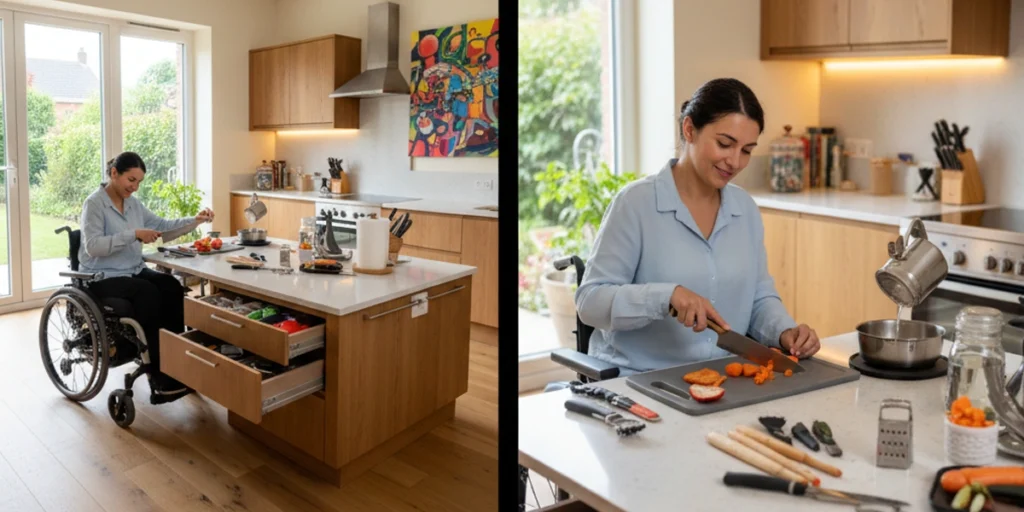
Modern adaptive kitchen equipment has revolutionized cooking accessibility. Ergonomic utensils with built-up handles reduce hand strain and improve grip for those with arthritis or limited hand function. Electric can openers and jar openers eliminate the need for twisting motions. One-handed cutting boards with raised edges and spikes hold food securely while cutting. Talking kitchen scales and measuring cups assist those with visual impairments, while reaching tools extend your range without requiring standing or stretching. The Independent Living Centres Australia network maintains display centres where you can see and trial adaptive equipment before purchasing, helping you find the tools that work best for your needs.
Kitchen Layout and Organization
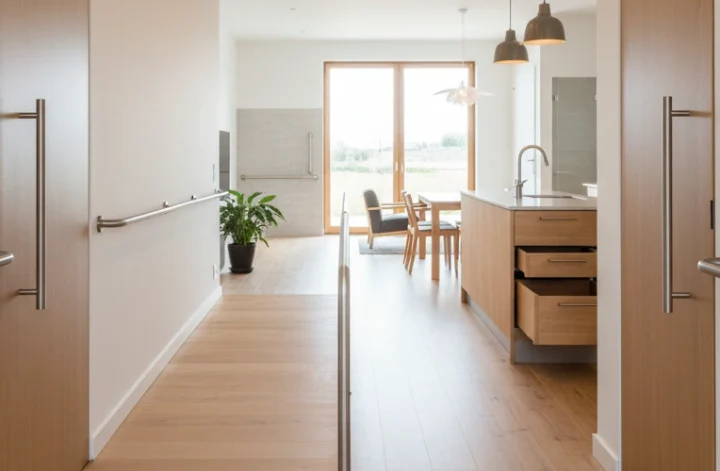
An accessible kitchen layout makes a significant difference in cooking independence. Store frequently used items between hip and shoulder height to minimize reaching or bending. Use pull-out shelves and lazy susans in cabinets to bring items forward. Label containers clearly with large print or braille. Consider creating designated zones for specific tasks—a prep area, cooking area, and cleaning area—to minimize unnecessary movement around the kitchen.
Safe Cooking Techniques
Safety is paramount in any kitchen, especially when working with adaptations. Use the back burners when possible to avoid reaching over hot elements. Slide pots across the stovetop rather than lifting them. A trolley or wheeled cart can safely transport hot items from stove to table. For those using wheelchairs, ensure adequate clearance under counters and sinks, and consider lowered cooktops for better access.
Simplified Meal Preparation
Adaptive cooking doesn’t mean compromising on nutrition or taste. Focus on one-pot meals that minimize cleanup and complexity. Use pre-cut vegetables or vegetable choppers if cutting is challenging. Slow cookers and instant pots allow you to prepare complete meals with minimal monitoring. Sheet pan dinners offer balanced nutrition with simple preparation and cleanup.
Building Confidence Gradually
Start with simple recipes and gradually build your skills and confidence. There’s no rush—developing independence in the kitchen is a journey. Begin with familiar favorite dishes, then experiment with new recipes as you become more comfortable with your adaptive techniques and tools. Consider taking adaptive cooking classes offered by occupational therapists or disability support organizations. Many occupational therapy services funded through the NDIS can include kitchen skills training as part of your capacity-building supports.
Technology in the Kitchen
Smart home technology has opened new possibilities for kitchen independence. Voice-activated assistants can set timers, convert measurements, and read recipes aloud. Induction cooktops offer safer cooking with precise temperature control. Apps can help with meal planning, grocery lists, and step-by-step recipe guidance with audio instructions.
The Joy of Cooking
Remember that adaptive cooking is about more than just sustenance—it’s about creativity, independence, and the pleasure of preparing food for yourself and others. Don’t be discouraged by challenges; instead, view them as opportunities to discover innovative solutions. Many professional chefs have developed adaptive techniques, proving that disability doesn’t limit culinary excellence.
The kitchen should be a space of possibility and independence. With the right tools, techniques, and mindset, cooking can become an enjoyable and empowering part of your daily routine, reinforcing your ability to live independently and well.